Developing the McCance ANPR Installation Platform Using Machine Learning and Deep Learning
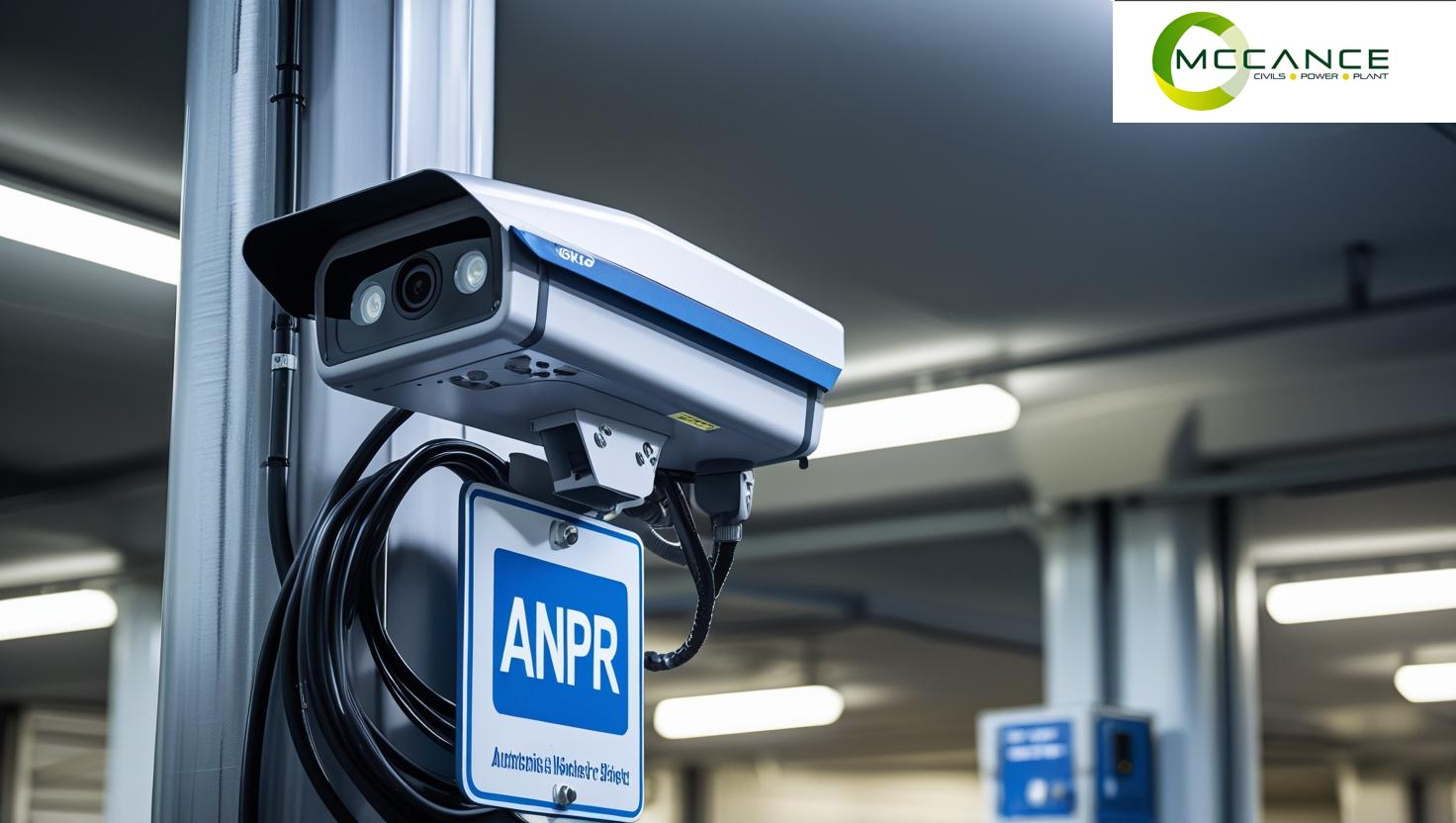
Automatic Number Plate Recognition (ANPR) has rapidly evolved as a critical component in intelligent transportation systems, access control, and traffic enforcement. At McCance Roads & Highways, we specialise in high-performance ANPR installation services across the UK. This blog dives deep into the technical architecture of building a McCance ANPR platform powered by Machine Learning (ML) and Deep Learning (DL).
Whether you're an engineer, data scientist, or IT decision-maker, this post will give you an insider's look at how to develop a robust, scalable ANPR system tailored for McCance deployment projects.
🔧 What Is ANPR?
ANPR (Automatic Number Plate Recognition) is a computer vision system that captures and interprets vehicle license plates from video streams or images. It plays a crucial role in:
Traffic monitoring and congestion analysis
Toll collection
Parking and access control systems
Law enforcement and public safety
🧠 Why Use Machine Learning and Deep Learning?
Traditional OCR-based approaches are often error-prone in real-world conditions like poor lighting, occlusions, varying fonts, and angles. Machine Learning (ML) and especially Deep Learning (DL) offer greater accuracy and resilience through:
Image enhancement
Plate detection
Character segmentation and recognition
Real-time inference on edge devices
⚙️ Architecture of the McCance ANPR Platform
Here’s a breakdown of the technical stack and modules involved in building the McCance ANPR Installation platform:
1. Image Acquisition Module
Input: CCTV/IP camera footage or HD snapshots
Tech Used:
OpenCV for video streaming
GStreamer for low-latency media processing
RTSP/HTTP protocols
Goal: Capture frames at high resolution and send them to the pre-processing unit.
2. Pre-Processing Engine
Prepares input images for ML models.
Functions:
Image normalization
Denoising and enhancement (using CLAHE)
Motion-based frame selection
Edge detection (Canny, Sobel)
Libraries: OpenCV, NumPy, PIL
3. License Plate Detection
This step locates the number plate region in the image.
Model: YOLOv5/YOLOv8 or SSD (Single Shot Detector)
Training Data:
UK number plates (custom annotated dataset)
Real-world scenarios (night, glare, angle)
Output: Cropped bounding boxes of detected plates
4. Character Segmentation
Process:
Contour detection to isolate characters
Morphological transformations to remove noise
Sorting characters left to right
Challenges Solved:
Broken fonts
Slanted plates
Multiple plate lines
5. Optical Character Recognition (OCR)
Model Options:
CRNN (Convolutional Recurrent Neural Network)
Tesseract (for baseline)
Deep OCR (CNN + BiLSTM + CTC loss)
Custom Trained OCR:
For UK number plates using transfer learning on ResNet-18 or MobileNet for real-time applications.
Output: Final plate string (e.g., “AB12 XYZ”)
6. Validation and Error Correction
Implement logic to filter false detections using:
UK plate regex pattern validation
Plate length verification
Confidence score thresholding
7. Integration with McCance Backend
Cloud Upload: Upload metadata + plate number to the cloud using RESTful APIs
Database: PostgreSQL with timeseries extensions
Alert System: Integration with SMS/Email alerts for watchlist matches
Dashboard: Real-time monitoring dashboard using React + Node.js
📦 Deployment Strategy
Edge Deployment:
Nvidia Jetson Nano or Raspberry Pi 4 with TensorRT
Real-time inference on the edge for low-latency decisions
Cloud Support:
AWS S3 for video storage
AWS Lambda for OCR post-processing
Dockerized microservices for scalability
🧪 Training & Testing the Models
Dataset Sources:
UKDVLA public datasets
OpenALPR sample images
Custom annotations from McCance deployment locations
Training Tools:
PyTorch or TensorFlow
LabelImg for annotation
Albumentations for data augmentation
Model Evaluation:
mAP (mean Average Precision)
Character Accuracy Rate (CAR)
Inference Time per Frame
🛡️ Security & Compliance
Encrypted data transmission (HTTPS, TLS)
GDPR-compliant data storage and retention
Role-based access control on dashboard
🔁 Continuous Learning & Feedback Loop
A unique feature of the McCance ANPR platform is its ability to learn from user corrections. If an operator flags an incorrect plate read, the system logs the event and retrains the model periodically for continuous improvement.
🌐 Final Thoughts
Building an end-to-end ANPR system using Machine Learning and Deep Learning is a multi-disciplinary challenge. But with the right data, models, and infrastructure, we’ve built a solution that is accurate, fast, and scalable.
To learn more about how we deploy these technologies across highways, parking zones, and commercial sites, check out our McCance ANPR Installation service.


